Scientific Invention Coloring Pages
Welcome to my Scientific Invention coloring pages section.
Every invention starts with someone who wants to solve a problem, and a lot of them take years of trying before anything works.
Jump to: Preschool | Ancient World | Middle Ages and Beyond | Industrial Age | Early 1900s | Space Age
Preschool Inventions
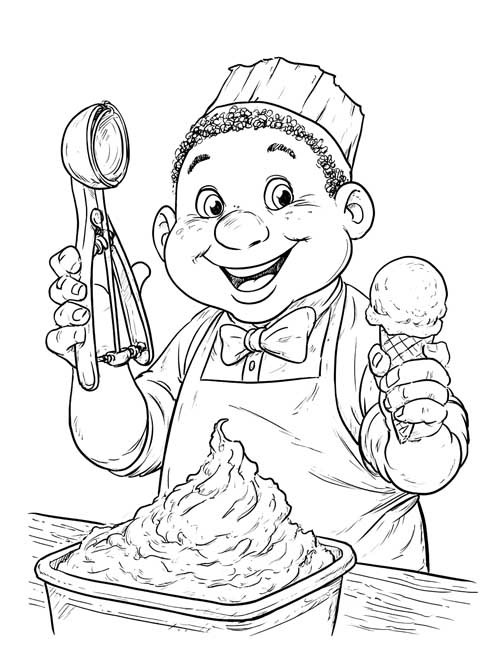
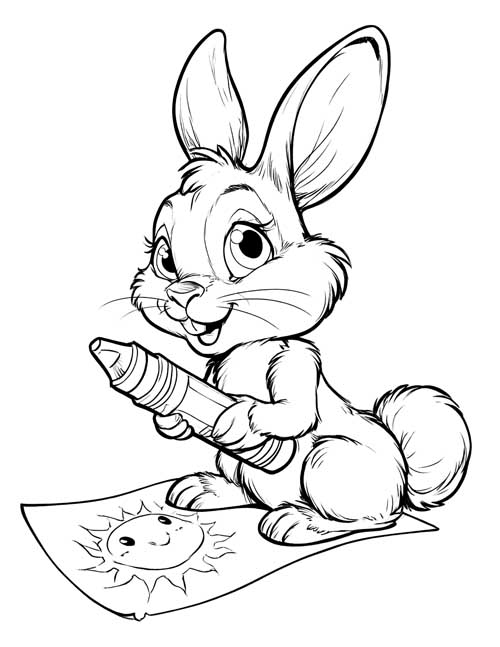
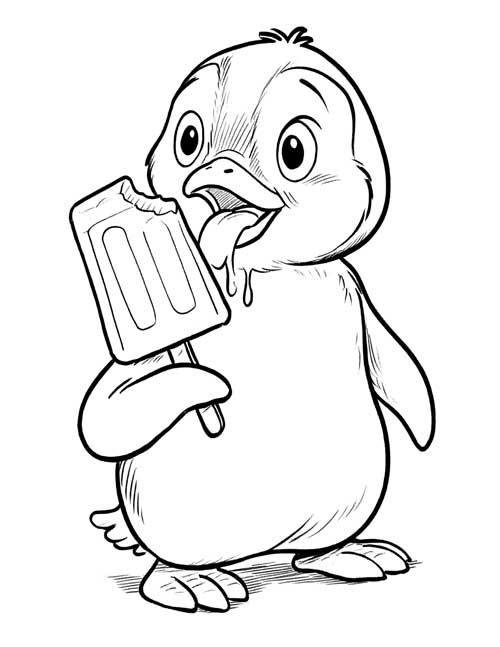
Some scientific inventions don't always look like science at first. A crayon is a bit of chemistry, a popsicle is a lesson in physics (freezing), and an ice cream scoop with a spring lever is a clever little machine.
The Ancient World
Wheel
Nobody knows who invented the wheel, but people in Mesopotamia were using wheels by about 3500 BC. The first ones were solid wooden discs with no spokes. Wheels made it possible to carry heavy loads on carts and to build machines with turning parts, and almost every machine since has wheels or gears inside.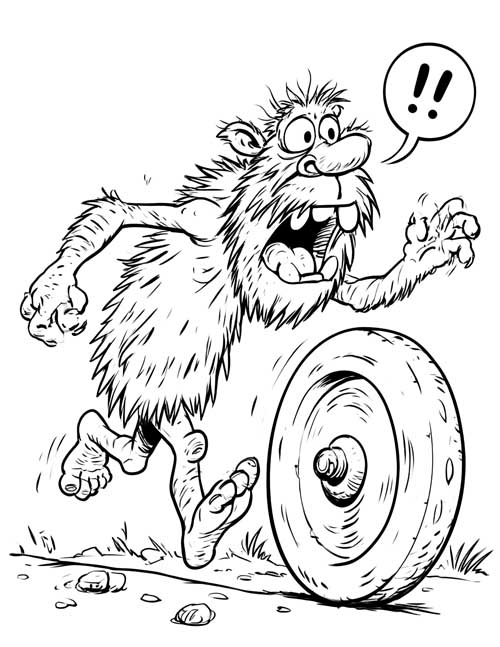
Compass
The compass was invented in China more than 2,000 years ago, and nobody knows who made the first one. The earliest ones were spoon-shaped pieces of lodestone, a rock that is naturally magnetic, and by about the 1100s sailors were using a magnetic needle to find their way. A compass works on cloudy days and dark nights when the Sun and stars are hidden, so ships could cross the open sea without getting lost.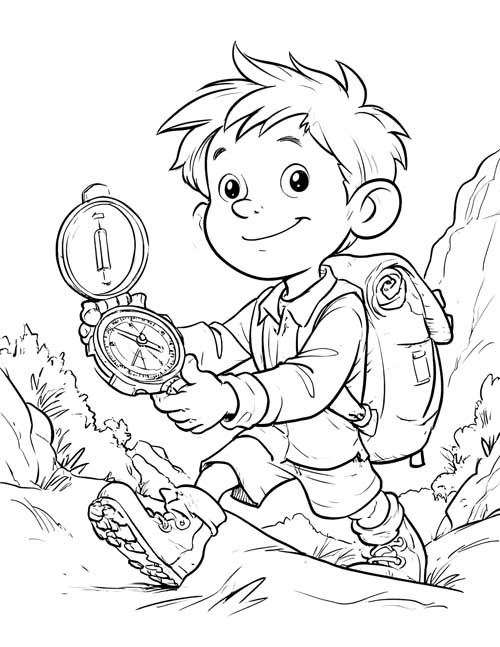
Paper
Paper was invented in China, and a court official named Cai Lun is traditionally credited with it in 105 AD. He is said to have made sheets from tree bark, old rags and fishing nets mashed into a pulp. Paper was lighter and cheaper than the bamboo strips and silk people had written on before, and it took about 1,000 years to reach Europe.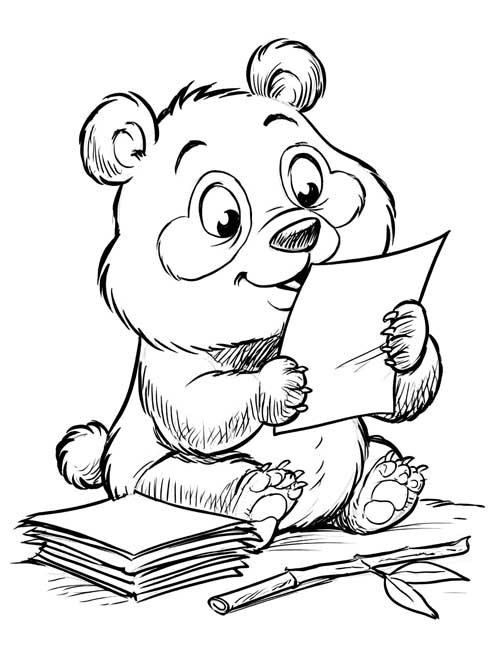
The Middle Ages and Beyond
Tower Clock
The first mechanical clocks appeared in Europe in the late 1200s, and nobody knows who built them. They had no face or hands and just rang a bell to tell people the hour. Towns put them in tall towers so everyone could hear them, and for the first time a whole town could share the same time. Faces and hands came later.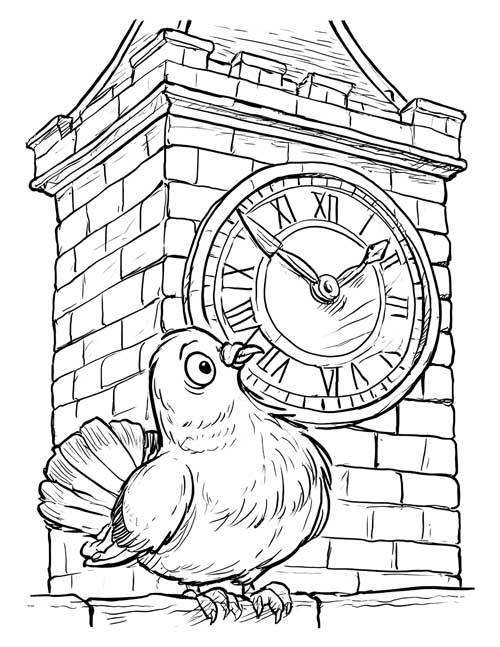
Eyeglasses
Nobody knows who invented eyeglasses, but it happened in northern Italy around 1286. The first ones were two magnifying lenses in frames joined by a rivet, and you held them up to your nose. They helped monks and scholars keep reading as their close-up eyesight faded with age.
Printing Press
In about 1440 a German goldsmith named Johannes Gutenberg built a printing press with movable metal letters that could be arranged into words and used again. Before that every book was copied out by hand, and a single one could take months. Printed books were cheaper and quicker to make, so far more people could learn to read and share ideas.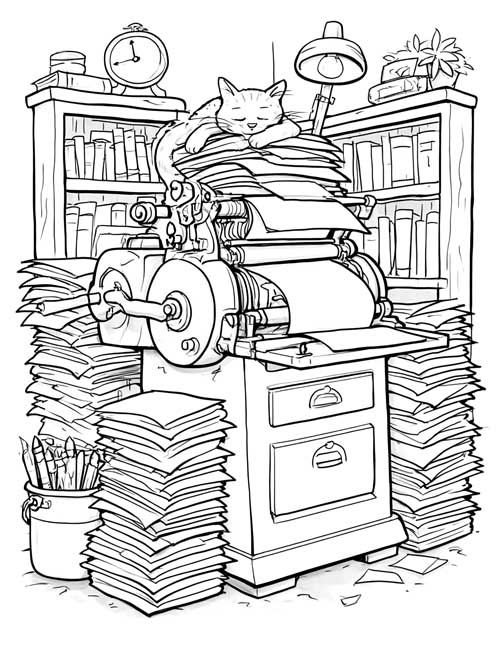
Microscope
The microscope is usually credited to Dutch spectacle makers Hans and Zacharias Janssen, who around 1590 put lenses in a tube and found that small things looked much bigger. In the 1670s Antonie van Leeuwenhoek used tiny lenses he made himself and became the first person to see bacteria. Microscopes later showed that germs cause many diseases, and that changed medicine.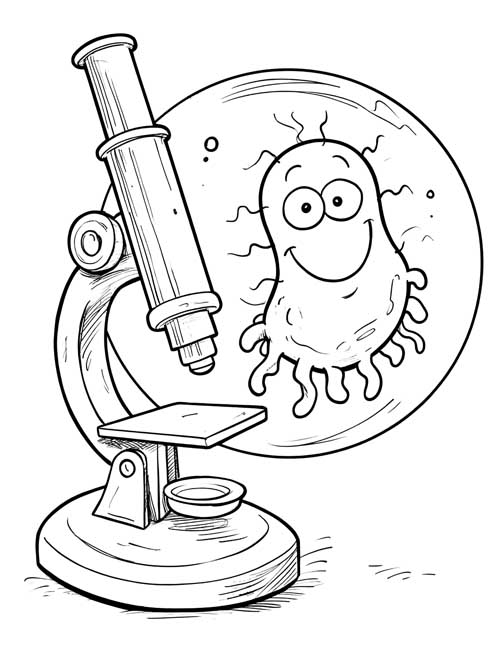
Pendulum Clock
In 1656 a Dutch scientist named Christiaan Huygens built the first pendulum clock. Older clocks could lose about 15 minutes in a day, and a swinging pendulum cut that to about 15 seconds. Scientists could finally measure short bits of time properly, which they needed for their experiments.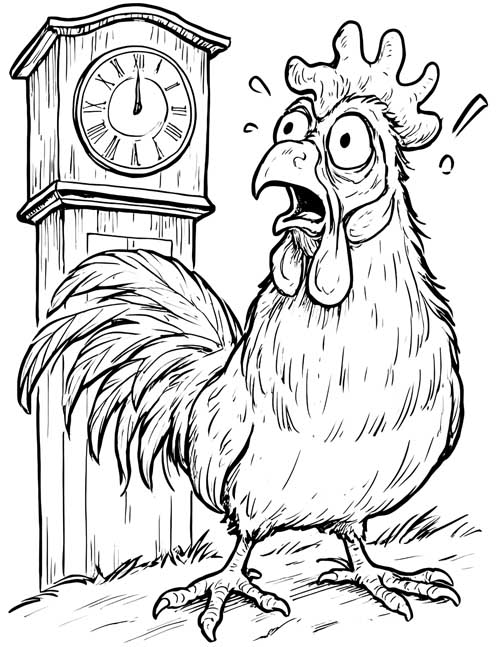
Vaccine
In 1796 an English doctor named Edward Jenner noticed that milkmaids who had caught cowpox from cows didn't seem to catch smallpox, a deadly illness. His idea worked, and the word "vaccine" comes from vacca, the Latin word for cow. Thanks to vaccines, smallpox became the first disease humans wiped out completely.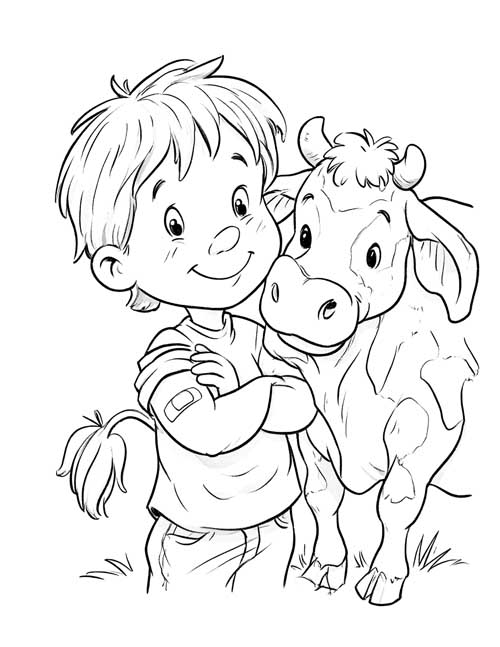
The Industrial Age
Battery
Italian scientist Alessandro Volta announced the first battery in 1800. It was a tall stack of metal discs separated by cloth soaked in salty water, and he called it his artificial electric organ, after the shock organs of electric fish like the electric eel. Before that people could only make quick sparks of static electricity, and a battery gave a steady flow.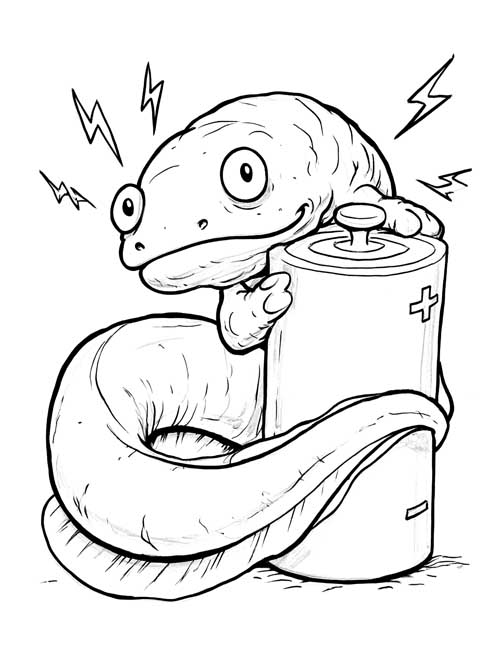
Steam Train
In 1804 a Cornish engineer named Richard Trevithick built the first steam locomotive to pull a load along rails, hauling about 10 tons of iron and 70 men in Wales. Until then wagons on rails had been pulled by horses. By the 1830s railways were carrying people and goods between cities, and trains cut journeys from days to hours.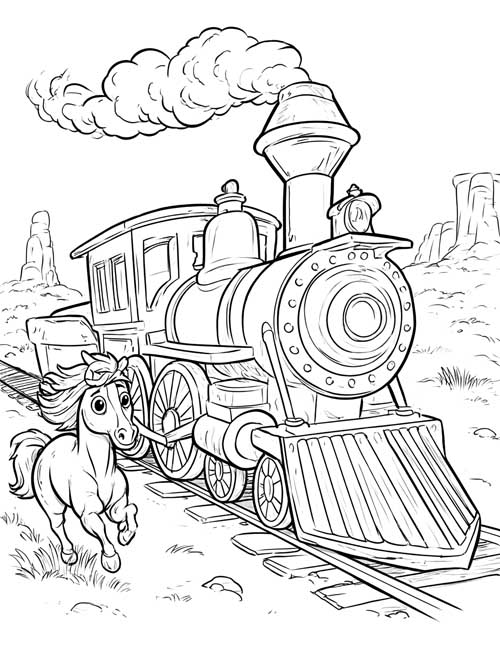
Steamship
In 1807 an American inventor named Robert Fulton launched the Clermont, the first steamboat to make money carrying passengers. It chugged 150 miles up the Hudson River from New York City to Albany in about 32 hours, and it went the same speed whether the wind blew or not. Boats could now keep to a schedule, which made river travel and shipping much faster and more reliable.
Camera
The first photograph that lasted was taken in France around 1826 by Nicéphore Niépce, who waited hours for the picture to appear on a metal plate. In 1839 Louis Daguerre announced a method that took only minutes. That's why people in early photographs look so stiff, since they had to stay perfectly still.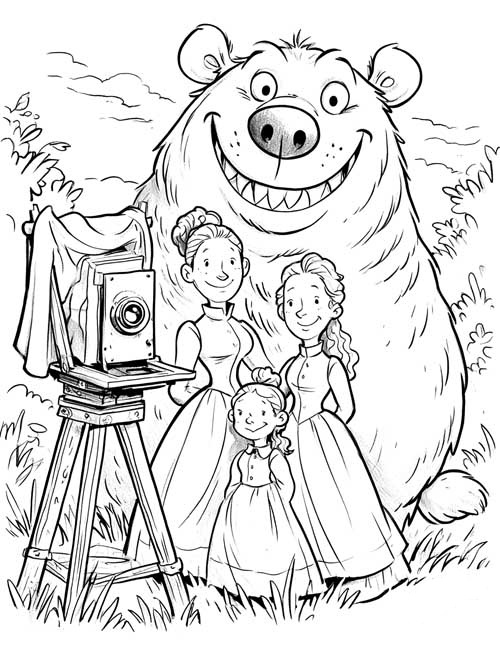
Telephone
Alexander Graham Bell was granted a patent for the telephone in March 1876, and a few days later he used it to ask his assistant Thomas Watson to come to him from the next room. Before that a message could only travel as fast as a letter or a rider or a telegraph operator tapping out code. Now a voice could travel along a wire and be heard right away.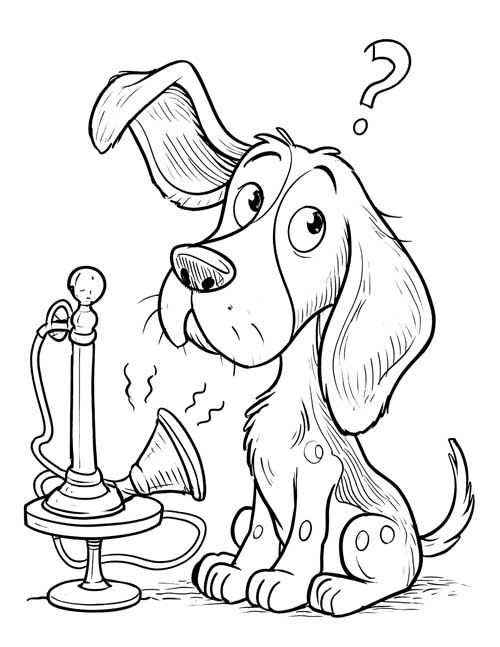
Light Bulb
In 1879 Thomas Edison and his team in New Jersey made a bulb that glowed for about 13 hours, after trying thousands of materials for the thin glowing thread inside. Joseph Swan in England was working on the same idea at the same time. Light bulbs were safer than candles and gas lamps, and they meant people could work and read after dark.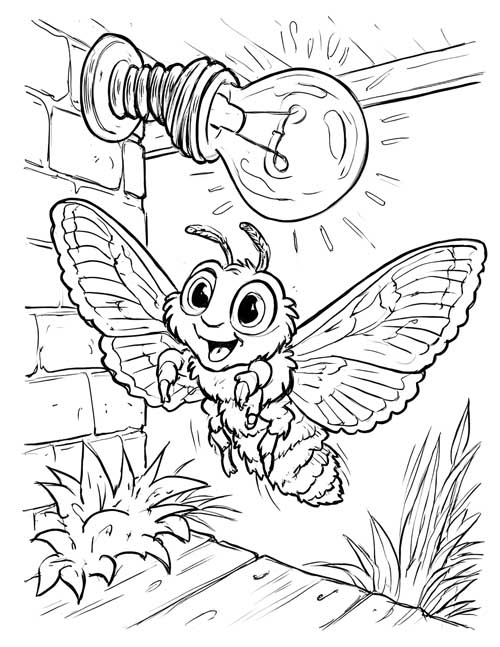
Bicycle
The first bicycles with pedals were built in France in the 1860s, and they were so bumpy that people called them boneshakers. In 1885 an English inventor named John Kemp Starley built the Rover safety bicycle, with two wheels the same size and a chain to the back wheel, much like bikes today. Bicycles gave ordinary people a cheap way to travel farther than they could walk.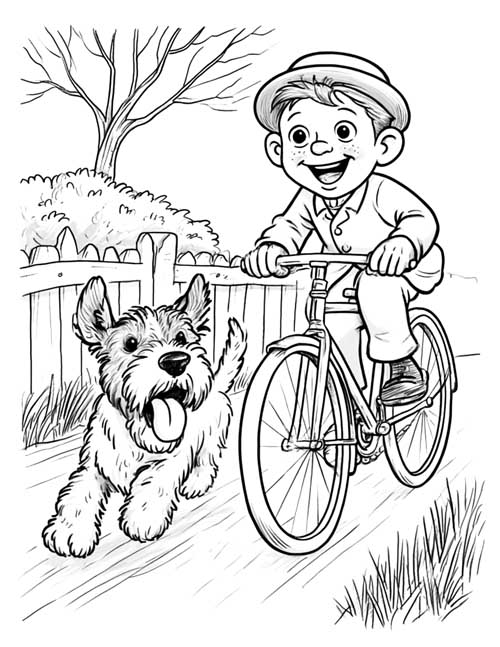
Benz Patent Motorwagen
Karl Benz built the Patent-Motorwagen in Germany in 1886, and it is widely called the first practical car. It had three wheels and one cylinder and a top speed of about 16 km/h (10 mph). In 1888 his wife Bertha took it on the first long road trip in car history, about 100 km (65 miles) to visit her mother, and since there were no gas stations she bought fuel at a pharmacy. The trip showed that cars could go the distance.
Makes and Models of Cars coloring pages
Radio
In 1895 an Italian inventor named Guglielmo Marconi sent a signal through the air without any wires. In 1901 he sent one across the Atlantic Ocean, from England to Newfoundland, which is now part of Canada. Radio became a lifeline for ships at sea, and by the 1920s families were gathering around the radio at home to hear music and news.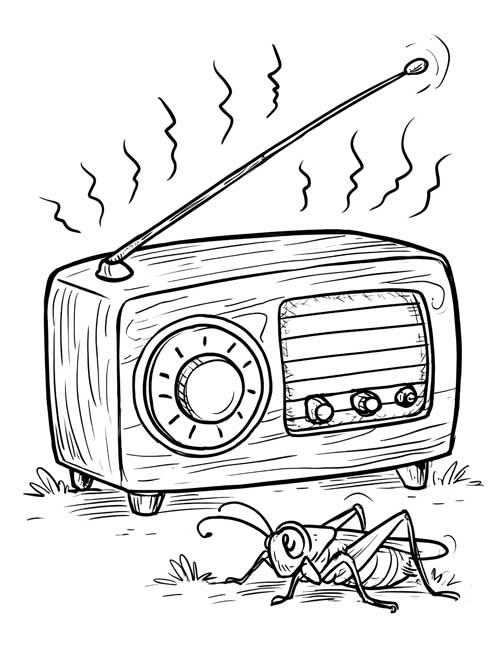
The Early 1900s
Wright Flyer
Brothers Orville and Wilbur Wright made the first powered airplane flight on December 17, 1903, at Kitty Hawk in North Carolina. It lasted 12 seconds and covered about 120 feet, shorter than the wingspan of a jumbo jet, and the brothers flew four times that day with the longest flight lasting 59 seconds. It was the start of the age of flight, and just 66 years later people were landing on the Moon.
Ford Model T
Henry Ford introduced the Model T in 1908, and in 1913 his factory added a moving assembly line. Building a car chassis dropped from about 12 hours to about 90 minutes, so Ford could lower the price enough for ordinary families to buy one. By 1927 more than 15 million had been made.
Makes and Models of Cars coloring pages
Television
Philo Farnsworth was only 14 when he got the idea for television, while plowing a field and looking at the straight rows in the dirt. In 1927, at 21, he sent the first picture through a fully electronic television, a single straight line. By the 1950s many families had a TV at home and could watch events happen far away as they were happening.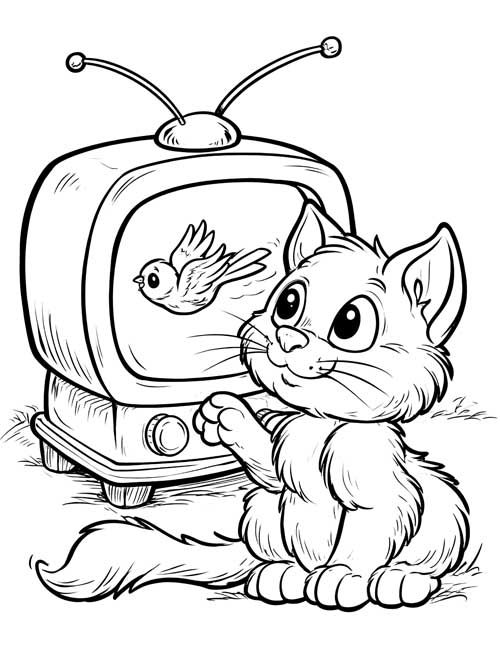
Penicillin
In 1928 a Scottish scientist named Alexander Fleming came back from holiday and found a fuzzy mold growing on one of his dishes of bacteria, with the bacteria around it dead. The mold made a germ-killer called penicillin, and by the 1940s it was saving the lives of wounded soldiers and people with serious infections. It was the first antibiotic.
The Space Age and Beyond
Satellites
The first satellite, Sputnik 1, was launched by the Soviet Union in 1957. It was a shiny metal ball about the size of a beach ball, and all it did was go "beep, beep" as it circled Earth, yet people all over the world tuned their radios to listen! It kicked off the Space Age, and today thousands of satellites help us forecast the weather and find our way with phone maps.
Internet
The internet began in 1969 as a small network joining four university computers in California and Utah. The first message was supposed to be "LOGIN," but the computer crashed after two letters, so it was "LO." In 1989 Tim Berners-Lee invented the World Wide Web at a research lab in Switzerland, and those linked pages are why we call it a web.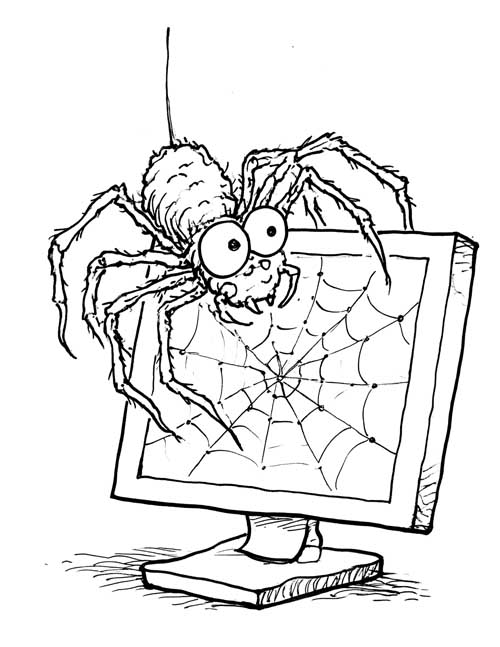
Personal Computer
The first computers filled whole rooms and belonged to governments and big companies. In 1975 the Altair 8800, built by Ed Roberts, came as a kit to put together yourself, and by 1977 ready-to-use computers like the Apple II were on sale. Douglas Engelbart built the first computer mouse in 1964, and people called it a mouse because its cord looked like a tail.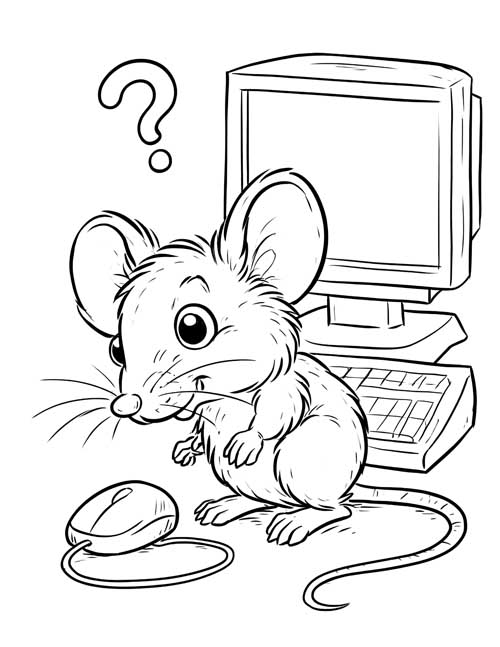
Space Science
NASA's Saturn V rocket first flew in 1967 and was the rocket that sent astronauts to the Moon, standing taller than the Statue of Liberty. The Space Shuttle, first launched in 1981, was the first spacecraft that could fly to space and come back to be used again. In 1997 a little rover named Sojourner became the first rover to drive on Mars.


Real Space Vehicles coloring pages
Honda ASIMO
Honda showed ASIMO to the world in 2000. It was about as tall as a young child, and it could walk, run, climb stairs and even kick a soccer ball. Honda built it to explore how robots could one day help people at home, and it could recognize faces and voices, so it could greet people it knew.